
Retrofit Insulation in Ceres CA - Attic and Walls Done in the Right Order
Hot upstairs and a high power bill in a house you already live in? We sort out what's hidden, seal the gaps, then insulate.
- Licensed and insured.
- Free in-person estimates.
- Expect a reply within 1 business day.
Can you add insulation to a house you already live in?
Yes. Retrofit insulation in Ceres adds insulation to a house that's already built, usually in the attic, the exterior walls or both, so the rooms hold a more even temperature and the house gets quieter inside.
Most calls start with a hot upstairs, a drafty bedroom or a room over the garage nobody wants to sit in, in a house that's been lived in for years. The price turns on how much of the house we're doing, how many inches are already up there, whether old or damaged material has to come out first and how hard the attic and walls are to get into. The schedule turns mostly on the prep, because leaks, old wiring and anything like vermiculite get settled before we cover them up. Your written estimate lists that prep apart from the insulation work, so you see both before you decide.
How do you know your house needs more insulation?
Hot rooms upstairs
The upstairs or the room over the garage runs hot while downstairs feels fine. That usually means the attic insulation is thin or the ceiling has gaps letting attic air down, and until it's fixed the AC keeps running longer than it should.
Thin, uneven attic insulation
Look through the hatch and you may see joists poking through, material piled in the middle and thin at the edges, or patches that are stained or full of droppings. Covering that with new material just hides the problem, so it needs to be looked at before anything goes on top.
Cold, drafty outside walls
Outside walls that feel cold to the touch or let a draft in at the outlets are often empty or only partly filled, which is common in older houses. Every season you wait, you're heating and cooling straight through them.
Often done along with retrofit work
Spray foam insulation
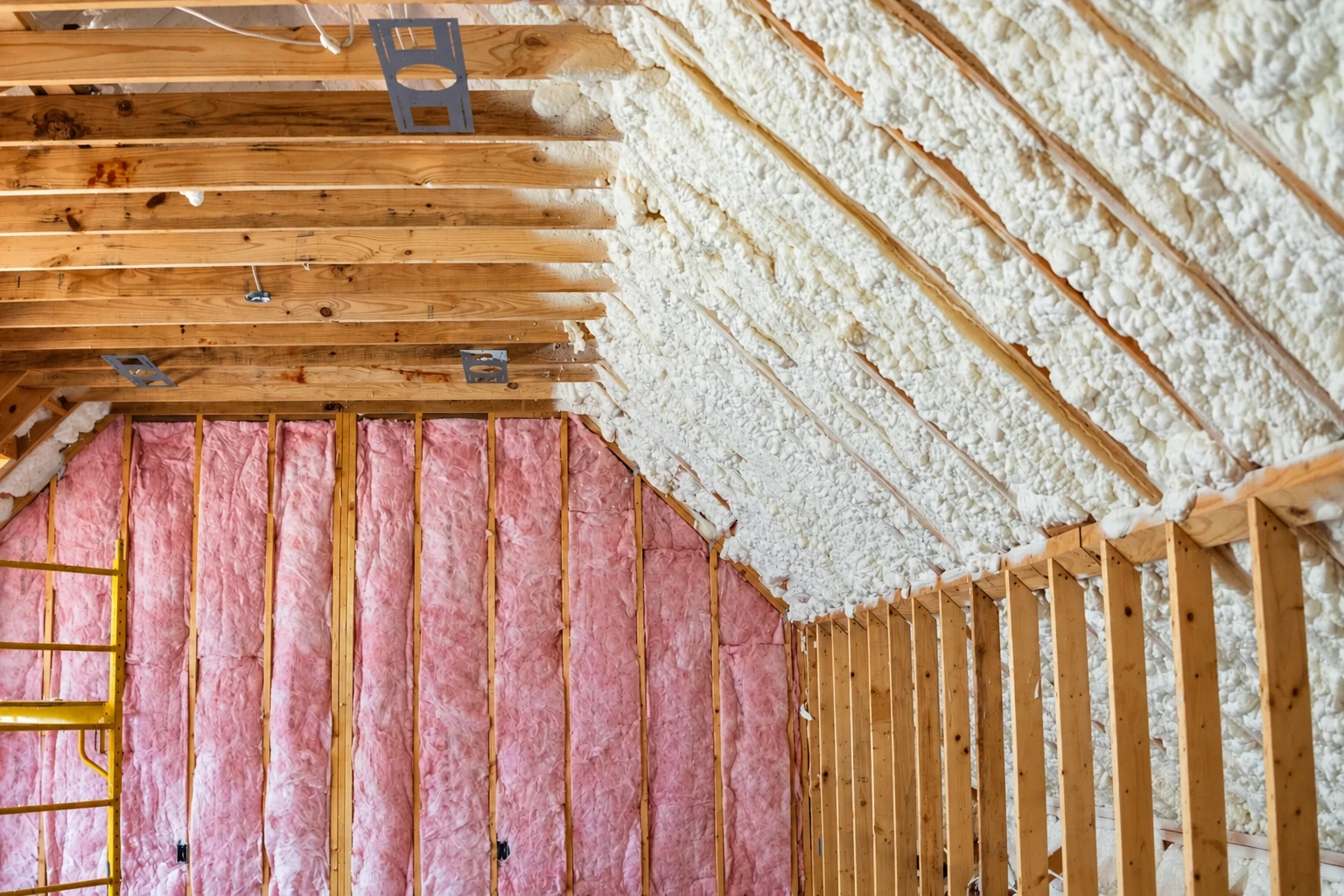
For attics with ducts in them, rim joists and other spots where you want the air stopped and the space insulated in the same layer.
Attic insulation
For houses where the walls are in decent shape and the hot upstairs or the room over the garage is the real trouble.
How we handle retrofit insulation
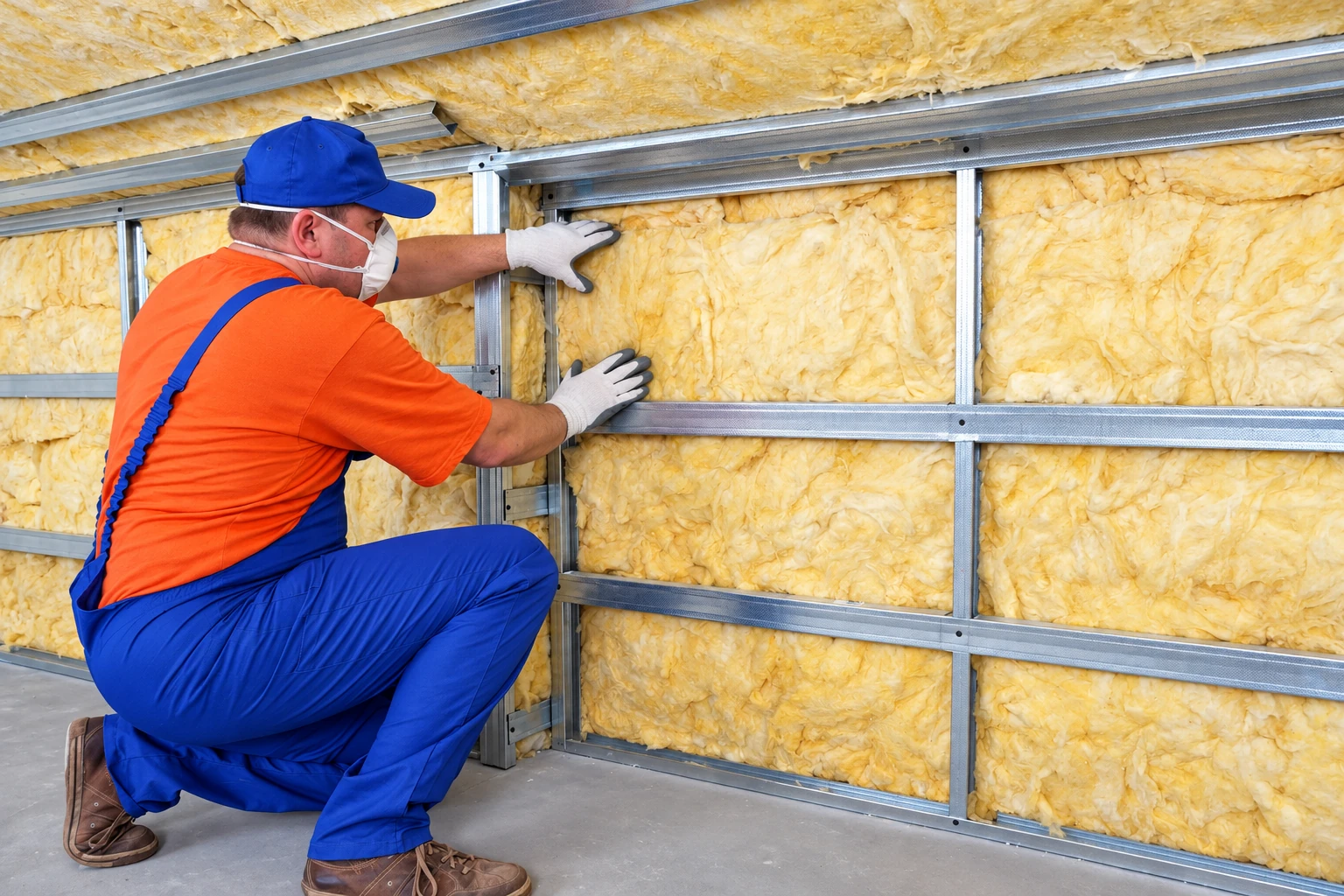
In a house people already live in, we're working around what's there, so I plan the attic and the walls together and get questions like vermiculite or old wiring settled before anyone starts. In the attic, we clear out anything soaked or full of droppings, because new insulation over it just hides the problem, then we air seal, closing every gap through the ceiling around pipes, wires, the hatch and can lights with sealant, foam or solid blocking. Baffles go in at the eaves so the attic keeps breathing, and the blown-in fill, loose insulation sent up through a hose, goes down at an even depth right out to the edges, where it usually ends up thinnest. The walls get filled after that, from whichever side we've agreed on with you.
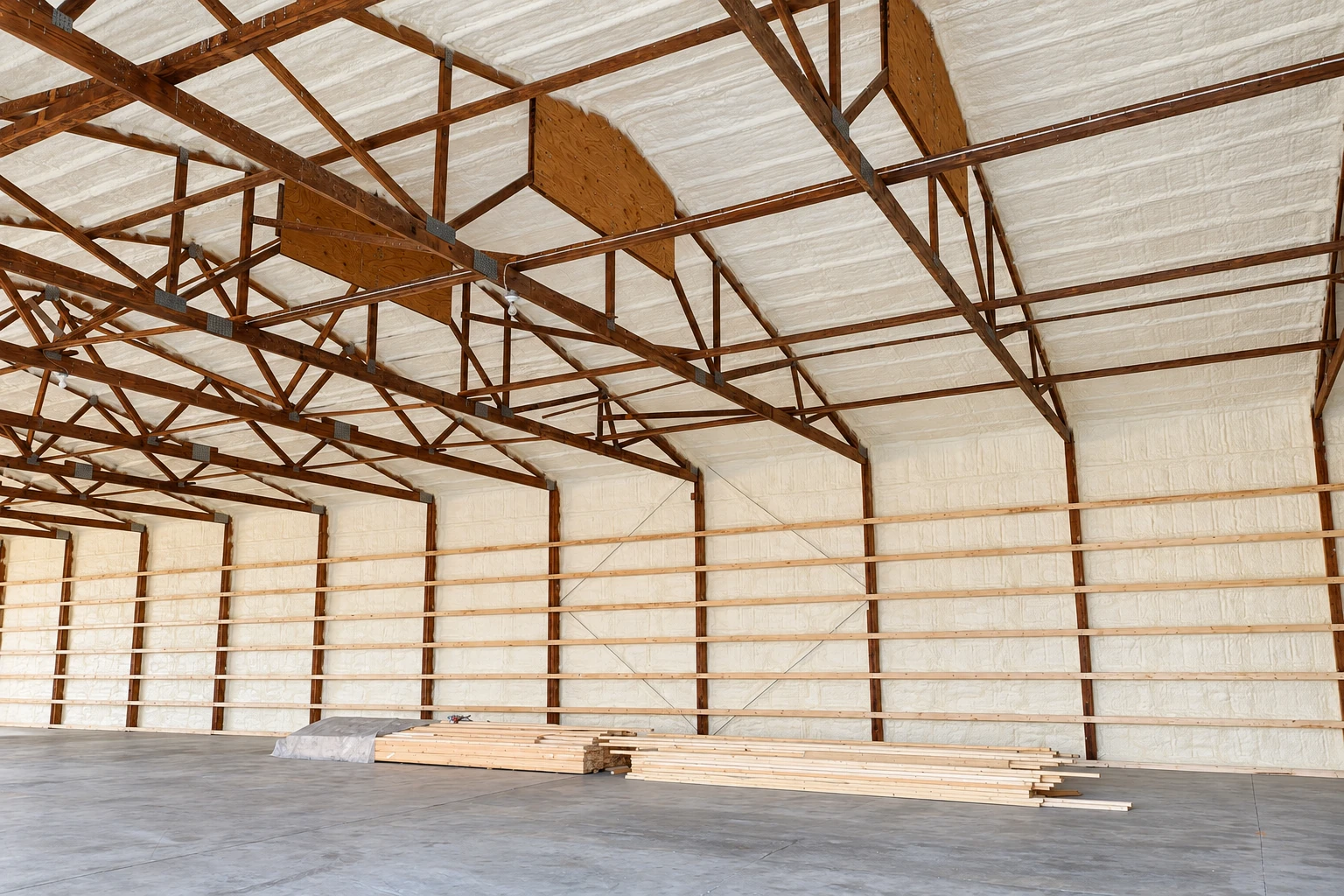
When ductwork runs through the attic, spray foam insulation can be worth its higher price, since it seals the air and insulates in one layer. If the walls are already full and the ceiling is the weak spot, I'll say so and price attic insulation on its own.
Attic seal and top-up
This suits most houses with an open attic and no ducts up there. Sealing the gaps and topping up loose fill usually gets you the most for the money.
Exterior wall fill
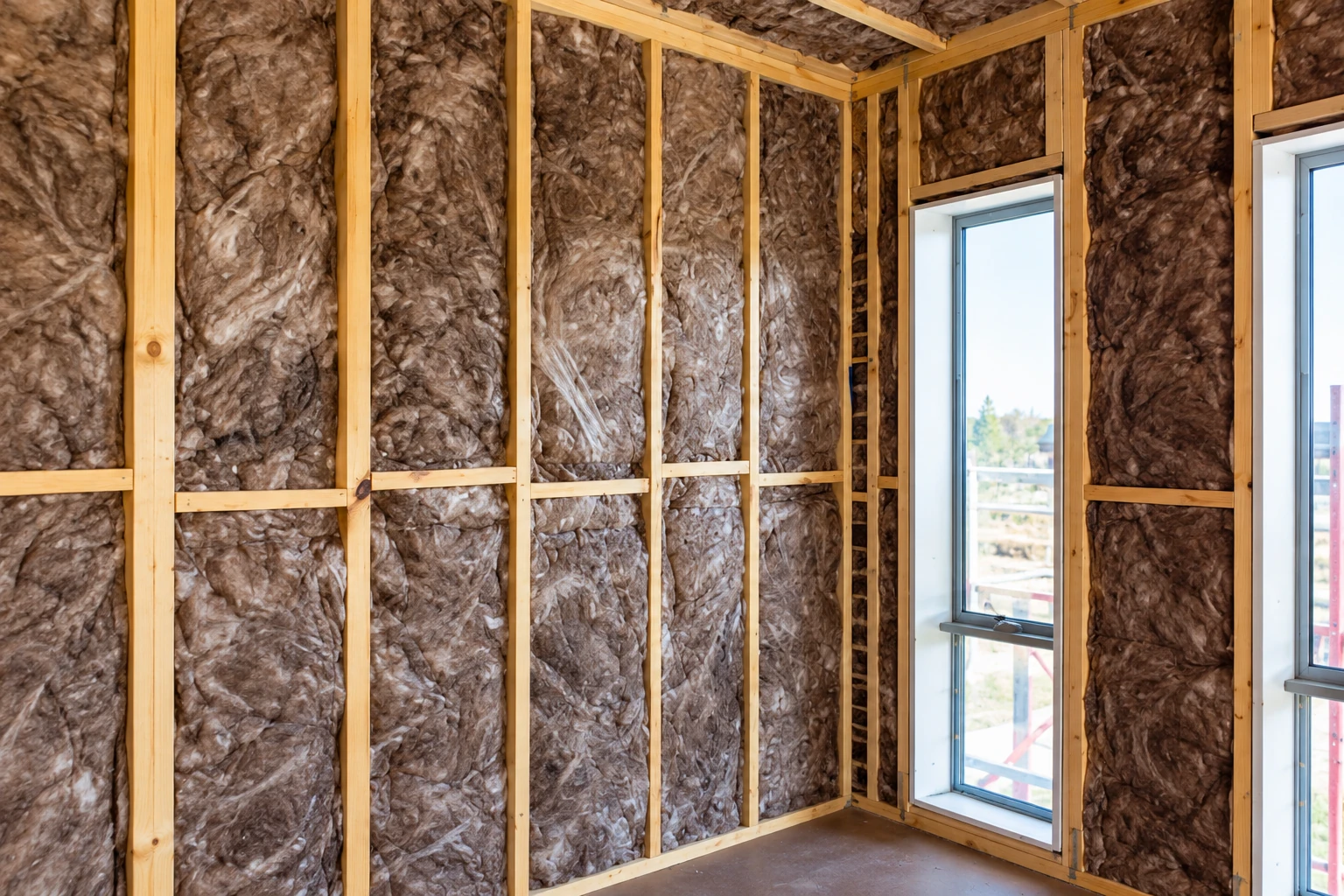
This suits older houses with empty or half-filled outside walls. We blow insulation into each cavity through small holes and patch them when we're done.
Foam where the ducts run
Foam costs more, but it seals and insulates at once. It's the better pick when your ductwork lives in the attic and loose fill can't seal around it well.
Get a written estimate for your attic and walls
Send the form and we'll get back to you within one business day to set up a free on-site visit, with no pressure to book. Calling (209) 225-2797 works too.
Call (209) 225-2797Why Ceres homeowners and landlords call us for retrofit insulation
I come out and write it up
I'm usually the one who comes out, and I write down exactly what I find in the attic and walls before I put a price on anything. Our install crew does the work, and I check it with you before we pack up.
Fixing attics in Ceres since 2017
I spent years doing upkeep for a property management company, going back to the same attic and crawl space problems, and started this business in Ceres in 2017 to fix them right the first time. We work in Ceres and the cities around it, from Modesto and Salida up to Manteca and Ripon and down through Turlock, Delhi and Livingston, for homeowners, landlords and property managers.
Licensed and insured in California
We're licensed and insured, and California's licensing board counts anyone who installs insulation for heat or sound control as an insulation contractor, so that's the license to ask any crew about. It matters more in an older house, where we may be working near old wiring or material that has to be handled with care.
On a retrofit, the order of the work matters most, because whatever's wrong under the insulation stays hidden once it's covered. Ask for an estimate and I'll come take a look.
What happens after you call about retrofit insulation?
Call or send a request
You call (209) 225-2797 or send the form, and we set a time to come see the house. Tell us when it was built if you know, since that shapes what I look for.
I look over the space
I go through the attic and check the walls, take notes and photos, and give you a written estimate that lists what has to be fixed first and what the insulation work covers. You see the cost of each part before you decide, and I write it so the finished job can be checked against it line for line.
We prep and install
Once you say go, we line up anything the job needs first, then our install crew does the prep and the insulation. Repairs and removals come before sealing, and sealing comes before any new material goes in.
We walk the finished job
Before we pack up, I walk the attic and the work with you and go down the estimate together. If something doesn't look right to you, that's the time to say so.
Common questions
Does an insulation job in Ceres need a building permit?
It may, because Ceres requires a building permit for nearly any work on a structure beyond cosmetic changes, and insulation isn't among the cosmetic jobs it lists, like painting and wallpaper. Permits are applied for through an online portal the county hosts, and the city's building permits page is the place to ask about your job. If yours needs one, we handle the application and set up the inspection, and we'll go over it at the estimate.
How much does retrofit insulation cost in Ceres?
The cost comes down to how much of the house we insulate and how much has to be fixed or removed first, so the real number comes from a look at your attic and walls. Doing walls as well as the attic, pulling out wet or dirty material, sealing a lot of gaps and choosing foam over loose fill all raise it, while an open attic that only needs sealing and a top-up keeps it lower. Your written estimate shows the prep and the insulation as separate lines.
What is the best way to insulate existing walls without tearing them open?
The usual way is drill and fill, a fairly uninvasive method where small holes go in near the top of each wall cavity and blown-in insulation fills the space. The holes can be drilled from inside or outside, so you get to choose which side of the wall is opened. We'll talk through which side makes more sense for your house at the estimate.
How do I handle vermiculite insulation in my attic?
Treat it as if it contains asbestos, which the EPA says means leaving it undisturbed or having a trained professional remove it if it has to come out. That choice has to be settled before any new insulation goes in, and I'll note it at the estimate if I see it. If it needs removing, I'll tell you plainly whether that's work for us or for a specialist.
How do I insulate an older house with knob and tube wiring?
Insulation can't go on or around knob and tube wiring, because the electrical code doesn't allow it, so that wiring decides where insulation can go until it's replaced. In a house built before 1980, opening walls can also bring lead safety rules into play, depending on how much of the wall gets disturbed. I check for both at the estimate and settle them before we plan the job.
Does insulation need any upkeep once it's in?
No, insulation needs no maintenance once it's in place. What keeps it working is putting it in right the first time, which is why we spend the time on sealing and prep before any new material goes down.
Get your attic and walls looked at
Call (209) 225-2797, email quotes@ceresinsulation.com or use the form, and if you know your home's build year or about any vermiculite or knob and tube wiring, tell us so I know what to check first.